
Ingrown Toenail Treatment in Pomona & Tappan, NY
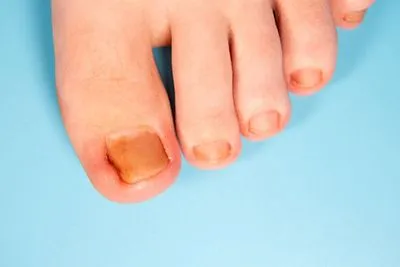
An ingrown toenail is a common podiatric issue that occurs when a toenail's edge grows into the bordering skin, causing various painful symptoms. The good news is Dr. Barry Schoenberg and Dr. Jeffrey Horowitz on our team at Palisades Podiatry Associates, LLP in Pomona & Tappan, NY, can treat ingrown toenails to help you get relief and preserve the health of your feet.
The Symptoms of Ingrown Toenail
Ingrown toenail symptoms may include one or more of the following symptoms –
- Discomfort/pain.
- Inflammation.
- Sensitivity when touched.
- Redness.
- It may become visible.
- The skin around the ingrown toenail may become hardened and overgrown in more severe cases.
If not managed correctly, ingrown toenails may cause an infection, which can lead to more intense pain, inflammation, and, at times, discharge/pus.
Defining the Causes of Ingrown Toenails
An ingrown toenail can occur for several reasons, which include –
- Genetic or Hereditary Factors - Some people may have a genetic predisposition to develop ingrown toenails.
- Inappropriate Nail Trimming – Trimming one’s toenails with care is essential. This simple step helps to ensure the nail is cut with a straight edge. Additionally, toenails should not be cut too short, and the corners of the toenails should be rounded.
- Trauma – An injury, such as a toe stub, can create a painful ingrown toenail.
- Choosing to Wear Poor-Fitting Shoes - Footwear that is not wide enough or a narrow toe box can cause unnecessary pressure, creating an ingrown toenail.
- Anatomical or Biomechanical Factors – One’s foot or nail shape may increase the risk of developing ingrown toenails.
Neglecting proper foot care can cause infections from ingrown toenails, making it important to maintain good foot hygiene by making sure one’s feet are clean and dry.
Treatment Options for Ingrown Toenails
- Soaking the target foot in a warm Epsom salt bath can help treat mild cases of ingrown toenails. Make sure the affected area remains clean and dry.
- An untreated ingrown toenail may progress to a more serious condition, which may cause a) an infection, b) cellulitis (a.k.a., a skin infection), or c) the formation of an abscess.
- In cases where an infection is present, our podiatrists may recommend a course of antibiotics or a topical antibiotic.
- In certain instances, this condition might require surgical intervention. In those cases, minor surgical procedures offer relief.
Contact a Pomona & Tappan, NY Podiatrist Near You Today
If you experience severe pain or an infection is present, or if the ingrown nail doesn't improve with home care options, contact Dr. Schoenberg or Dr. Horowitz on our team at Palisades Podiatry Associates, LLP at (845) 362-0100 (Pomona) or (845) 359-1200 (Tappan).